
Colors are not only beautiful and mesmerizing, but colors also have a fascinating ability to impact our moods and emotions. This phenomenon can be attributed to both physiological and psychological factors.
Physiologically, colors stimulate the release of certain hormones and chemicals in our bodies, such as serotonin and endorphins, which can influence our mood. For example, warm colors like red and orange are often associated with energy and stimulation, while cool colors like blue and green are often associated with calmness and relaxation. These color associations can trigger corresponding physiological responses in our bodies, leading to changes in our mood.
Psychologically, colors carry symbolic meanings and cultural associations that have been ingrained in our minds from social media, advertisements and childhood, and over time are associated with a feeling. This means that we have been conditioned to associate certain colors with specific emotions and feelings. For instance, yellow is often linked to happiness and optimism, while purple is often associated with luxury and creativity. These learned associations can elicit emotional responses when we encounter these colors, influencing our overall mood.
Additionally, personal experiences and individual preferences can further shape how colors affect our mood. Certain colors might hold personal significance or evoke memories, leading to specific emotional reactions. Moreover, the context in which colors are used, such as in interior design or advertising, can also impact our mood. Different combinations and intensities of colors can create different atmospheres, intensifying or calming our emotions.
The connection between colors and mood is a complex interplay between physiological responses, learned associations, personal experiences, and contextual factors. Understanding how colors impact our mood can help us utilize them intentionally for various purposes, such as creating a calming environment or evoking certain emotions in art and design.
If you are working on an environment with a light mood, take a look at these colors commonly associated with uplifting and positive moods. These colors have the power to energize, inspire, and bring about feelings of happiness and optimism. Some colors that are known to lift mood include:
- Yellow: Often associated with sunshine and brightness, yellow is a color that can evoke feelings of joy, happiness, and optimism. It can help boost mood and create a sense of positivity.
- Orange: With its warm and invigorating nature, orange is a color that can stimulate enthusiasm, creativity, and excitement. It has the ability to evoke feelings of warmth, energy, and happiness.
- Green: Symbolizing nature and growth, green is a color that is often associated with balance, freshness, and harmony. It can have a calming and refreshing effect, making it uplifting for many people.
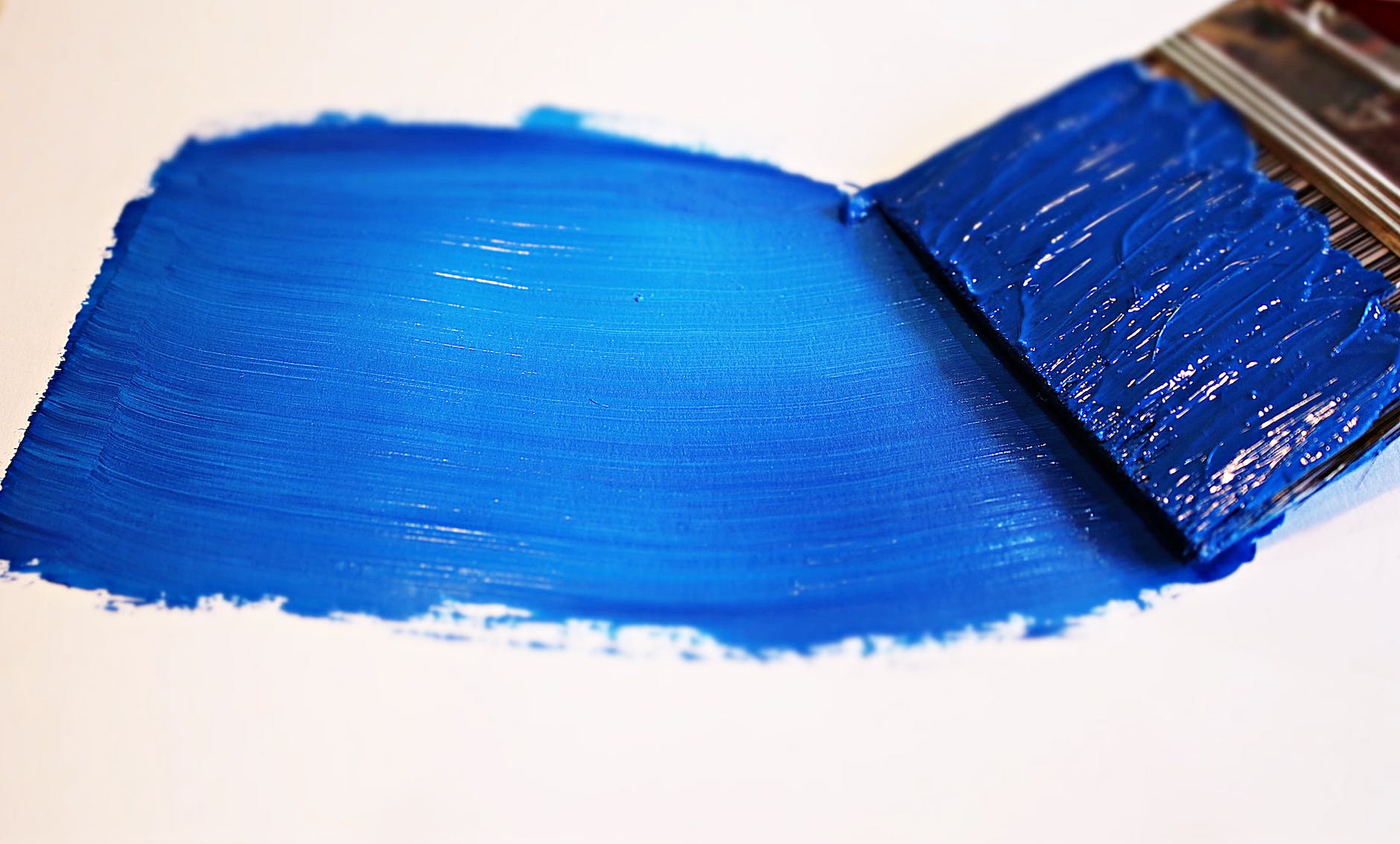
- Blue: While blue is commonly seen as a calming color, certain shades of blue, such as sky blue or turquoise, can also have an uplifting effect. These shades can evoke a sense of tranquility, serenity, and inspiration.
- Pink: Often associated with love, kindness, and femininity, pink is a color that can create a sense of tenderness, happiness, and warmth. It can have a comforting and soothing effect on mood.
- Purple: Representing creativity and spirituality, purple is a color that can inspire imagination, introspection, and a sense of luxury. It can bring about feelings of inspiration and positivity.
Remember that the impact of colors on mood can vary from person to person due to personal preferences and cultural associations. It is essential to consider individual experiences and context when using colors to uplift mood.
Until next time,
Koi Monkeys
 Koi Monkeys