
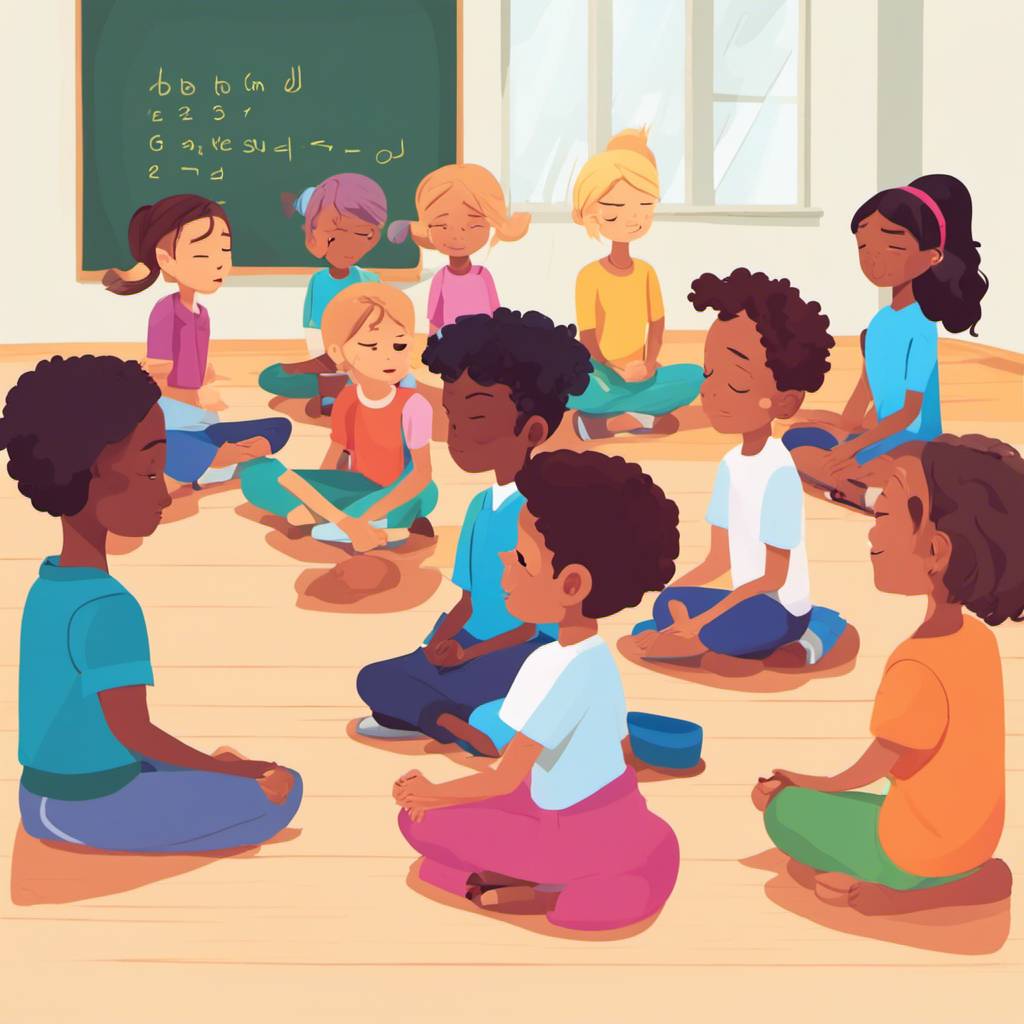
In the run-up to the new school year, parents are often concerned with ensuring their children are equipped with the necessary stationery and apparel. However, an often overlooked yet crucial tool for success in the modern education landscape is mindfulness. With the transition from elementary to junior high, or from junior high to high school, students are bound to encounter a myriad of stress-inducing situations. Whether it’s the anxiety of an impending exam or navigating the turbulent social dynamics of adolescence, stress is an inevitable part of a student’s journey. But, what if we could teach our children to manage this stress better? This is where mindfulness comes into play. Mindfulness, though not as formal as meditation, shares several commonalities with it. Aliya Bean, a mindfulness expert at the Maliya Wellness Centre for Women in Cochrane, believes that mindfulness could be the secret to helping children cope with stress. According to Bean, mindfulness is about being present in the moment, fully experiencing emotions and sensations, and increasing our ability to endure discomfort. By instilling these skills in children from a young age, we can provide them with a solid foundation of self-care and resilience that they can rely on throughout their lives. To illustrate how mindfulness can benefit students, Bean uses the example of an eighth-grader experiencing test anxiety. Through mindfulness, the student can acknowledge their stress, identify the physical manifestations of this stress, such as a racing heart or sweaty palms, and accept these feelings without judgment. This acceptance can then be coupled with mindfulness techniques like diaphragmatic breathing to regulate their nervous system in the moment. This toolkit is not only useful for academic stresses but also for everyday teenage struggles. As Bean puts it, “The more we become aware of ourselves, and what’s happening in our internal world, the better we’re able to show up in our external world.” This self-awareness is key for emotional resilience, a crucial skill in navigating the ups and downs of adolescence. Unlike meditation which requires a dedicated time and space, mindfulness can be practiced at any moment of the day. It’s as simple as asking a child to describe what anger feels like to them. This process not only encourages children to be more self-aware but also allows parents to gain insight into their child’s emotional world. In an era where we are constantly bombarded with digital distractions, teaching our children (and ourselves) to be more mindful might be more crucial than ever. Even children as young as three can benefit from learning simple mindfulness techniques like deep breathing when they’re feeling overwhelmed. Lori Bean, another mindfulness advocate at Maliya Wellness Centre, believes that now is the perfect time to start these conversations about mental health and mindfulness. The increasing demand for mental health services for children in Cochrane has led to the Centre expanding its team with three new psychologists. The Maliya Wellness Centre is committed to empowering children with the tools they need to manage stress effectively and live more fulfilling lives. For more information on their offerings, visit maliya.ca. In conclusion, teaching mindfulness techniques to children is not only a proactive approach to stress management but also an investment in their future resilience and self-kindness. It’s time we expanded our back-to-school checklist to include not only physical supplies but also mental wellness tools. After all, a balanced mind is just as essential for success as a well-stocked pencil case.
 Koi Monkeys